
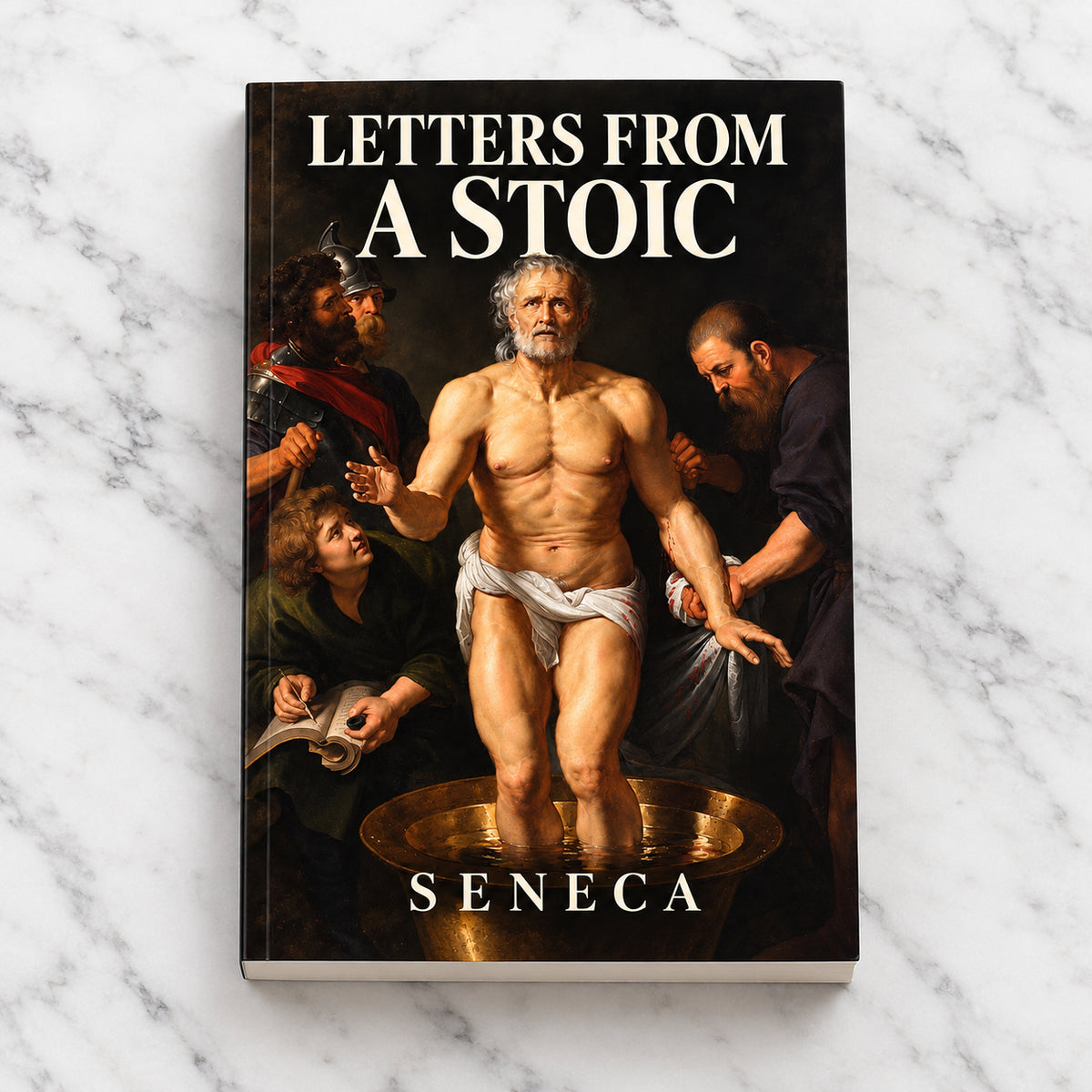
The Enchiridion by Epictetus
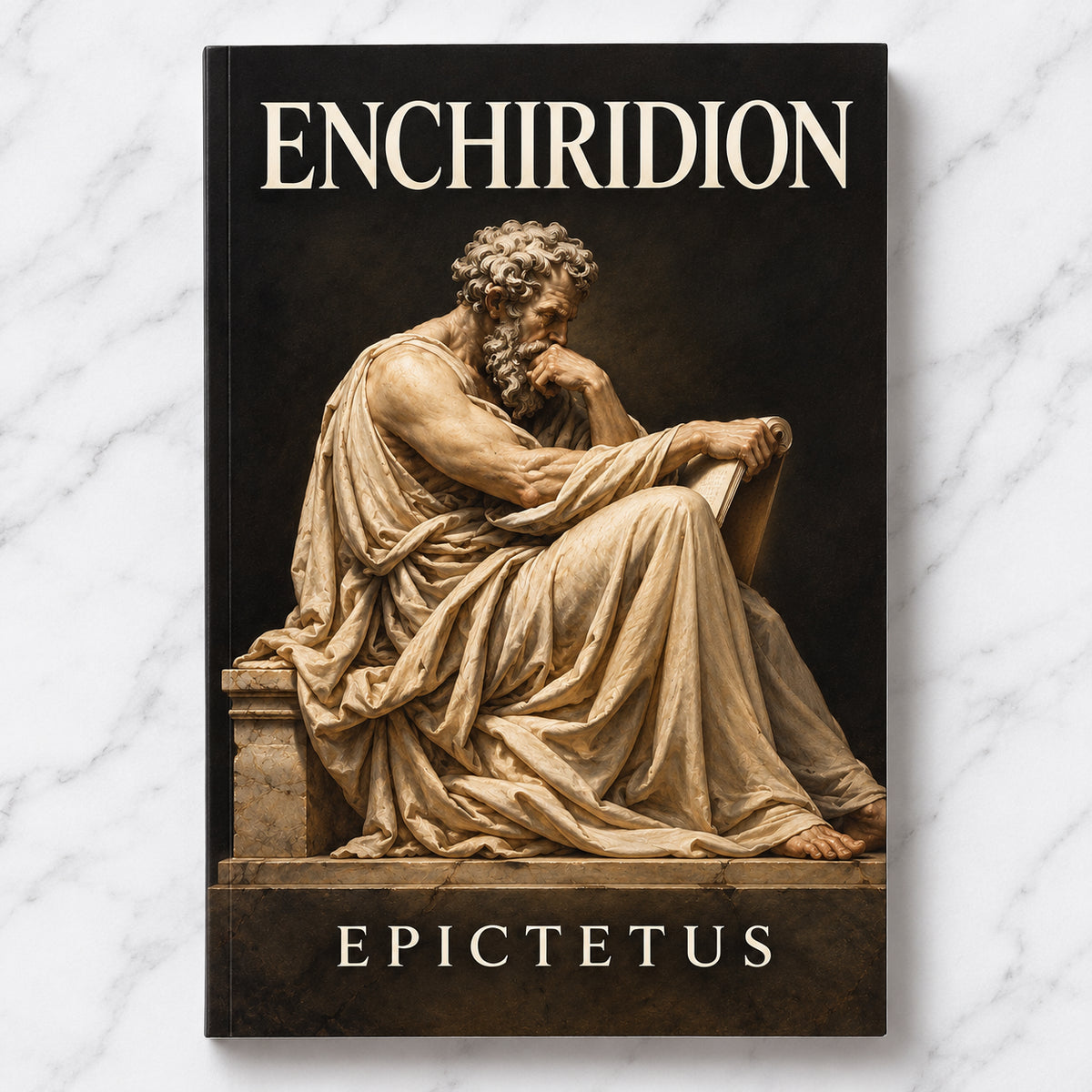
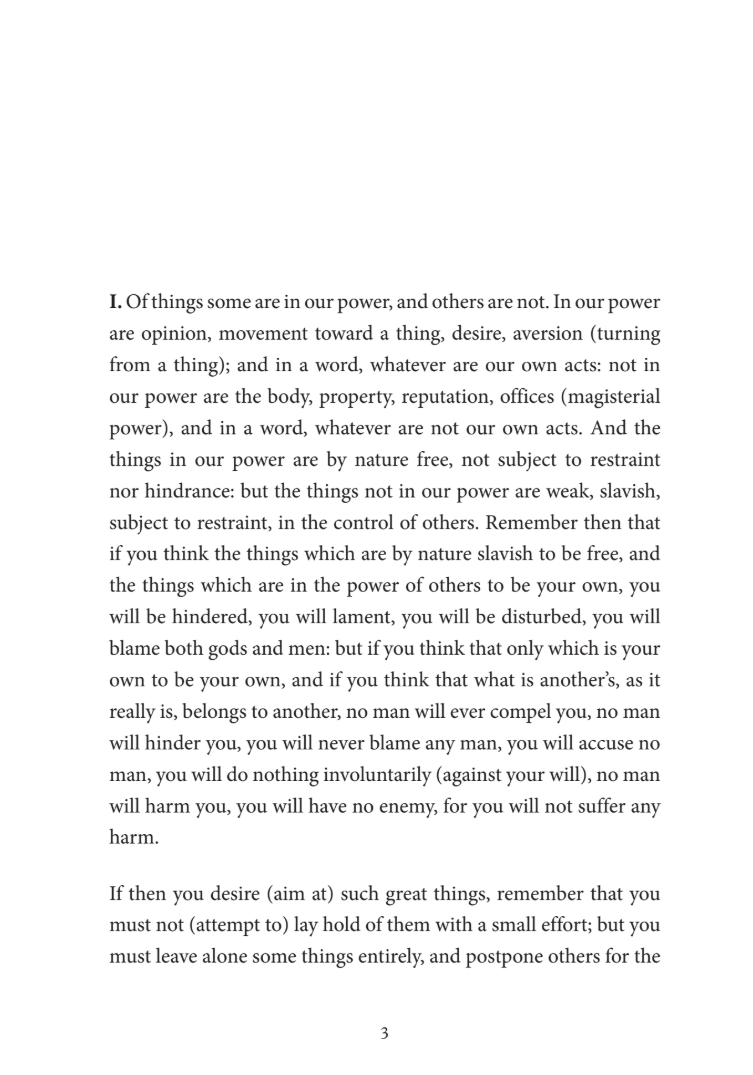
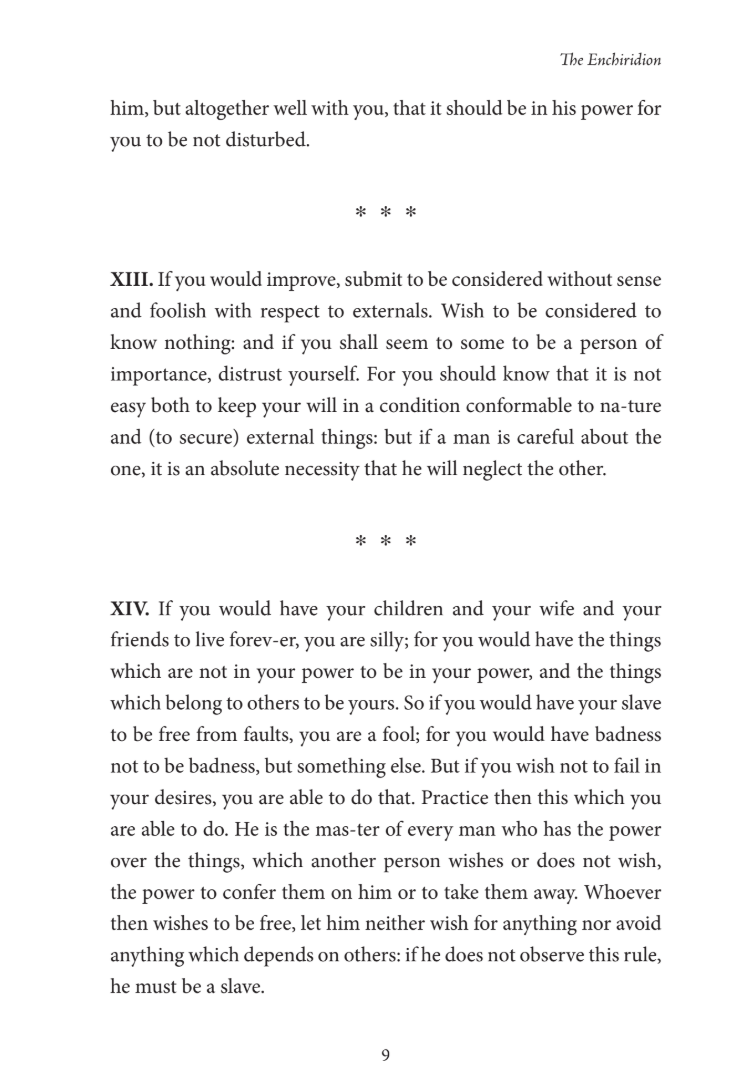
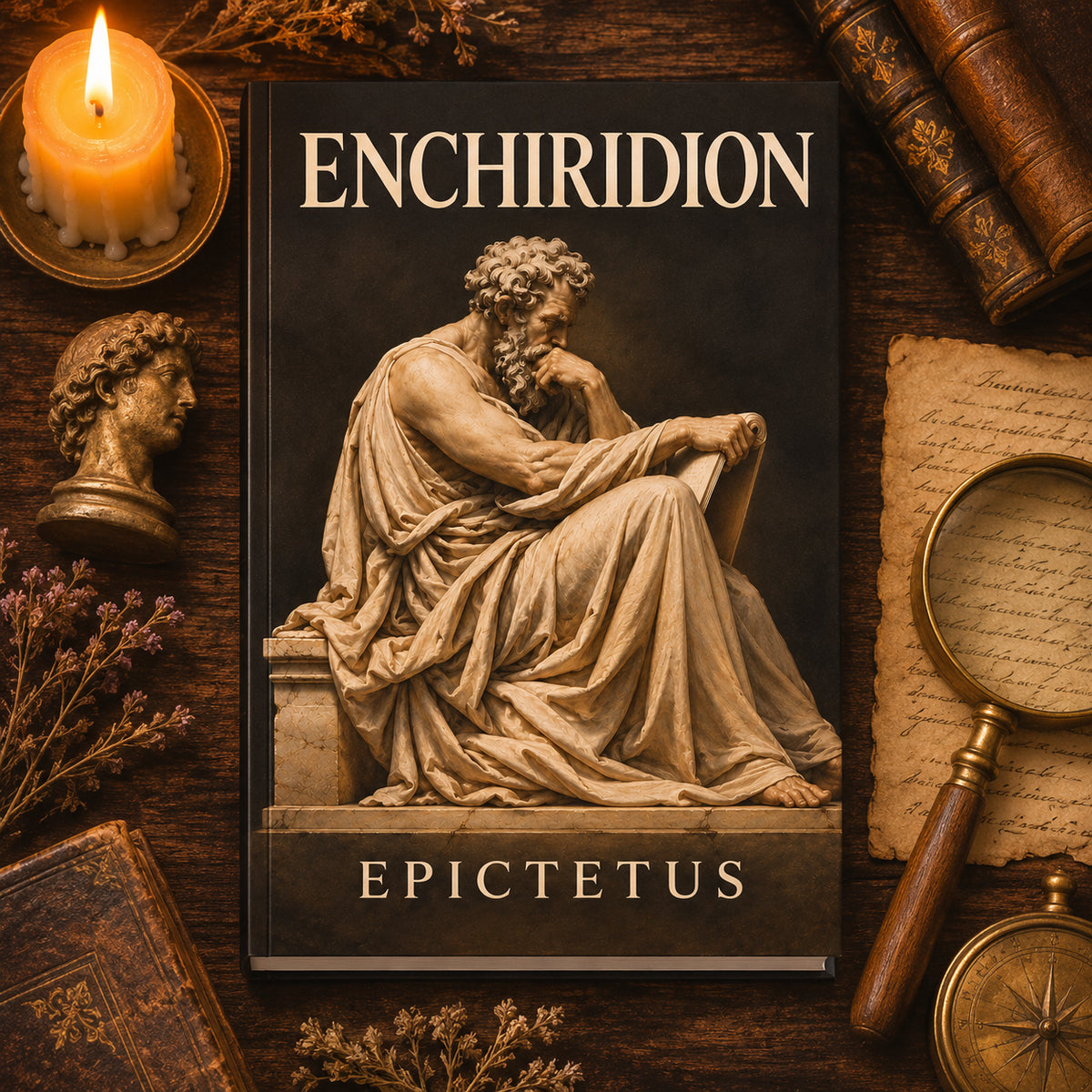
The Enchiridion by Epictetus


Choose options
About this book
Compiled in the early second century CE, The Enchiridion is one of the best-known surviving works of ancient Stoic philosophy. Also called The Handbook, it brings together practical teachings from the Greek philosopher Epictetus, offering a concise introduction to his approach to ethics, personal conduct and the pursuit of a well-ordered life.
Unlike the longer conversations preserved in The Discourses, this work presents its ideas as a compact collection of instructions and reflections. Epictetus's student Arrian selected and arranged these teachings to preserve the central principles of his master's philosophy in a form that could be readily consulted and applied to everyday life.
At the heart of the handbook is the distinction between what is within our control and what is not. Our judgements, intentions, desires and choices belong to us, while wealth, reputation, physical circumstances and the actions of others remain beyond our complete command. Epictetus argues that much human distress comes from placing too much importance on external things and failing to recognise the limits of our control.
The chapters explore subjects including emotional discipline, adversity, relationships, freedom, responsibility, the use of reason and the acceptance of circumstances. Readers are encouraged to examine their reactions, question their attachments and approach life's difficulties with greater clarity and composure.
The work also addresses the responsibilities of daily life, emphasising that philosophy must be practised through conduct rather than simply understood as an intellectual subject. Its advice is direct and practical, intended to help readers develop self-command and act in accordance with reason.
Throughout its long history, The Enchiridion has been read by philosophers, scholars and students of ethics. Its concise treatment of Stoic principles has made it an enduring introduction to the philosophy of Epictetus and a widely recognised text in the history of practical philosophy.
Inside the book
The Enchiridion by Epictetus
Product Details
We ship worldwide, with print locations in the UK, USA and Canada. Our Box Sets are produced exclusively in the UK. All orders are sent fully tracked and insured. From the date your order is placed, please allow the following estimated delivery times:
UK: 10–21 working days
USA: 10–21 working days
Europe: 10–21 working days
Rest of World: 10–21 working days
Our books are printed to order, so we are unable to accept returns for change of mind except where required by applicable law. If your order arrives damaged, faulty or incorrect, please contact us and we will arrange a replacement or appropriate resolution. This does not affect your statutory rights. Please see our full Returns & Refunds Policy for further information.




First to Discover What’s Next
New collections, newly restored books, exclusive digital releases and occasional subscriber-only offers, sent directly to your inbox.