
Seneca's Morals of a Happy Life




Seneca's Morals of a Happy Life


Choose options
About this book
First published in English in the late seventeenth century, Seneca’s Morals brings together the moral philosophy of the Roman Stoic philosopher Lucius Annaeus Seneca in an accessible collection adapted by Sir Roger L’Estrange.
The work explores what it means to live a happy and virtuous life. Seneca argues that lasting happiness does not depend on wealth, reputation, physical pleasure or favourable circumstances, but on wisdom, reason and the cultivation of good character. Through practical reflections on human behaviour, he examines how individuals can develop inner stability and avoid becoming dependent on things beyond their control.
The collection also addresses the nature of generosity and gratitude in Of Benefits, considering the intentions behind giving, the responsibilities of receiving and the importance of goodwill in human relationships. Its discussions of anger and clemency examine the dangers of uncontrolled emotion, the exercise of restraint and the qualities required for just and thoughtful conduct.
Other subjects include friendship, conscience, adversity, wealth, poverty, death and the proper use of time. Together, these reflections present a practical approach to ethical living, encouraging readers to examine their habits, govern their passions and place greater value on wisdom than material success.
L’Estrange describes his work as an abstract rather than a literal translation. He selected, condensed and rearranged material from Seneca’s writings, presenting the philosopher’s ideas through his own seventeenth-century English prose. This makes the book both a record of ancient Stoic thought and an example of how that philosophy was interpreted for English readers of a later period.
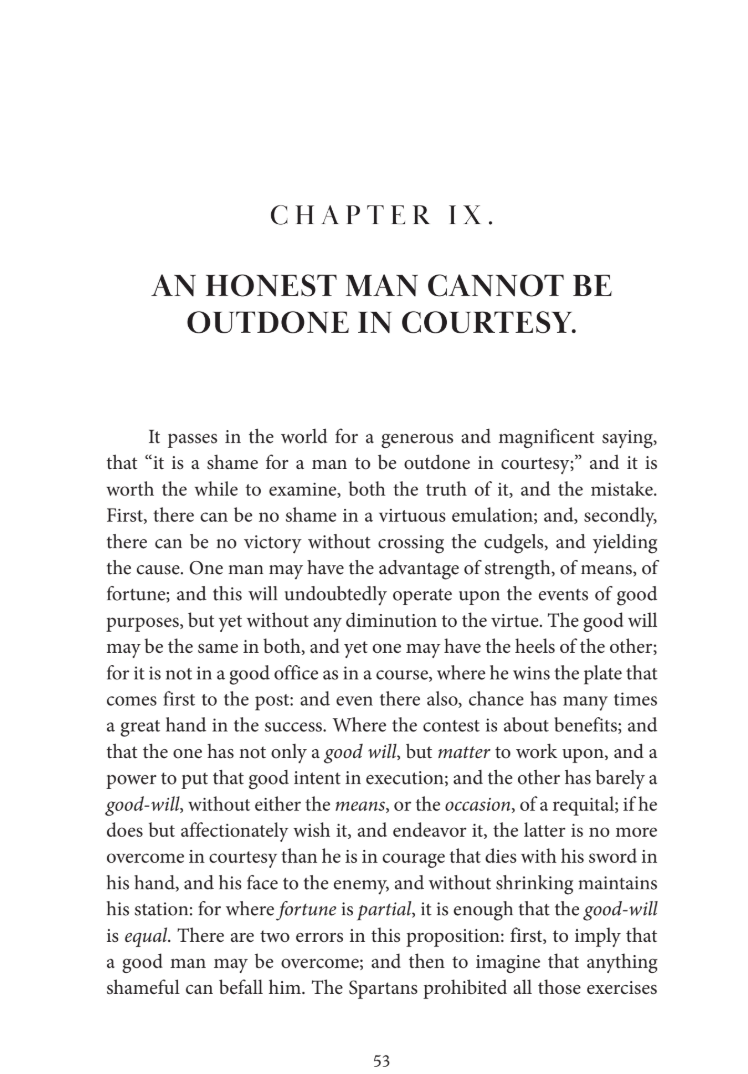
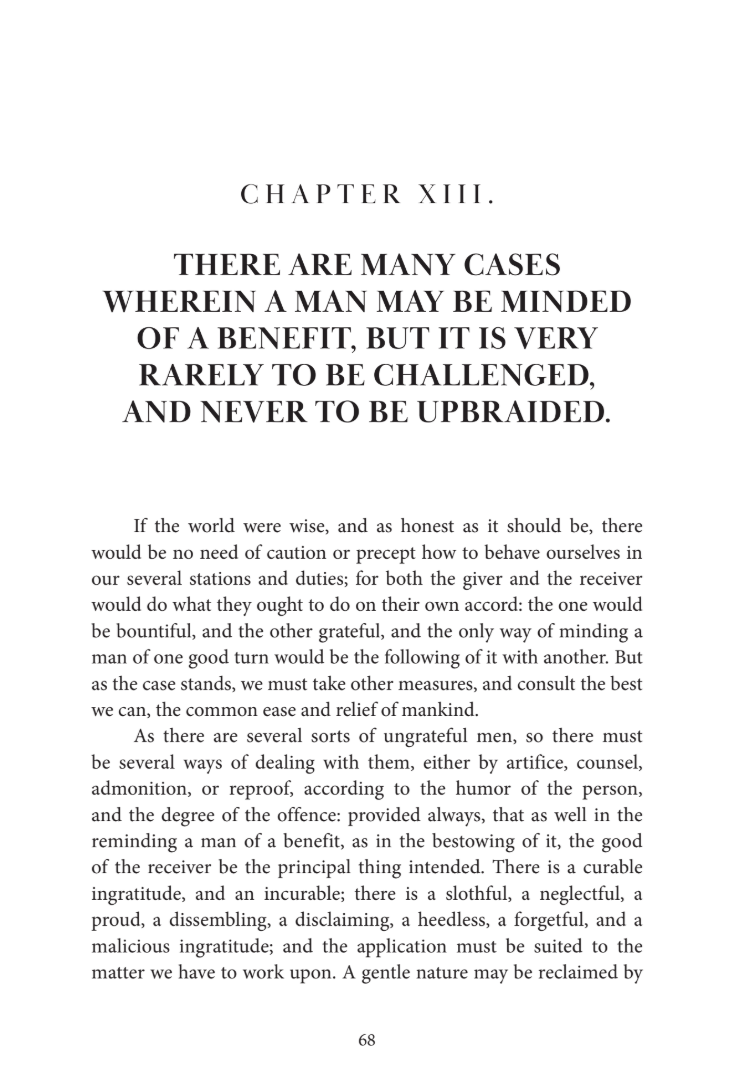
Inside the book
Seneca's Morals of a Happy Life
Product Details
We ship worldwide, with print locations in the UK, USA and Canada. Our Box Sets are produced exclusively in the UK. All orders are sent fully tracked and insured. From the date your order is placed, please allow the following estimated delivery times:
UK: 10–21 working days
USA: 10–21 working days
Europe: 10–21 working days
Rest of World: 10–21 working days
Our books are printed to order, so we are unable to accept returns for change of mind except where required by applicable law. If your order arrives damaged, faulty or incorrect, please contact us and we will arrange a replacement or appropriate resolution. This does not affect your statutory rights. Please see our full Returns & Refunds Policy for further information.




First to Discover What’s Next
New collections, newly restored books, exclusive digital releases and occasional subscriber-only offers, sent directly to your inbox.