
Meditations by Marcus Aurelius
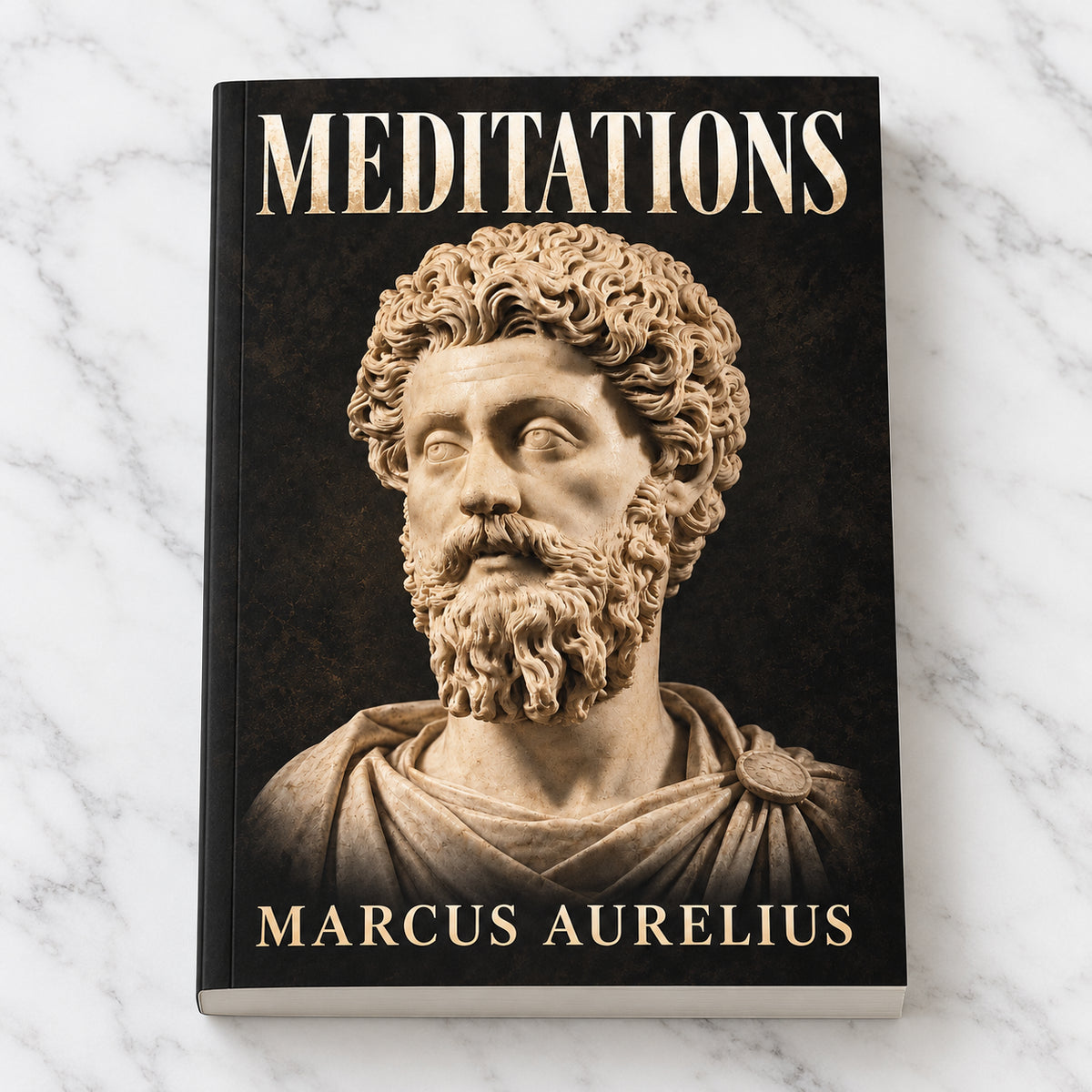




Meditations by Marcus Aurelius


Choose options
About this book
First written during the second century AD, Meditations is a collection of twelve books of personal reflections by Marcus Aurelius, Roman emperor from AD 161 to 180. Composed in Greek, these writings were never intended as a formal philosophical work for publication. Rather, they offer an intimate record of his thoughts on how to live with wisdom, discipline and a sense of duty amid the responsibilities and challenges of daily life.
Throughout the twelve books, Marcus returns to the principles of Stoic philosophy, considering the role of reason, the limits of human control and the importance of acting with justice. He reflects on the temporary nature of wealth, reputation and worldly possessions, reminding himself to focus instead on what lies within his own power: his thoughts, choices and actions.
A central theme is the importance of maintaining composure in the face of difficulty. Marcus encourages himself to accept what cannot be changed, respond to adversity with patience and avoid being ruled by anger or fear. He also considers the value of kindness, cooperation and understanding, emphasising the responsibility people have towards one another.
Other reflections explore mortality, friendship, human nature, duty and the place of the individual within the wider universe. Read against the background of his reign, these private writings offer insight into how Marcus sought to put philosophical principles into practice while carrying the demands of imperial leadership.
Meditations remains a lasting work of ancient philosophy, offering readers a personal account of Stoic thought and its approach to self-discipline, resilience, virtue and the art of living well.
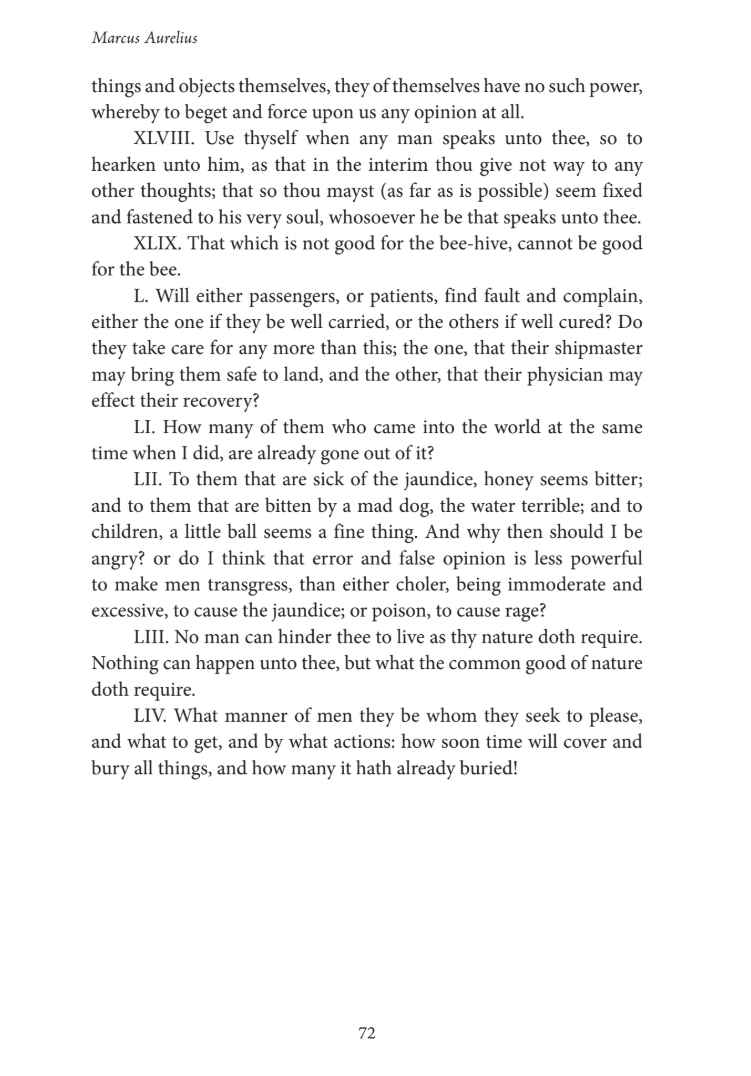
Inside the book
Meditations by Marcus Aurelius
Product Details
We ship worldwide, with print locations in the UK, USA and Canada. Our Box Sets are produced exclusively in the UK. All orders are sent fully tracked and insured. From the date your order is placed, please allow the following estimated delivery times:
UK: 10–21 working days
USA: 10–21 working days
Europe: 10–21 working days
Rest of World: 10–21 working days
Our books are printed to order, so we are unable to accept returns for change of mind except where required by applicable law. If your order arrives damaged, faulty or incorrect, please contact us and we will arrange a replacement or appropriate resolution. This does not affect your statutory rights. Please see our full Returns & Refunds Policy for further information.




First to Discover What’s Next
New collections, newly restored books, exclusive digital releases and occasional subscriber-only offers, sent directly to your inbox.