
Letters from a Stoic by Seneca
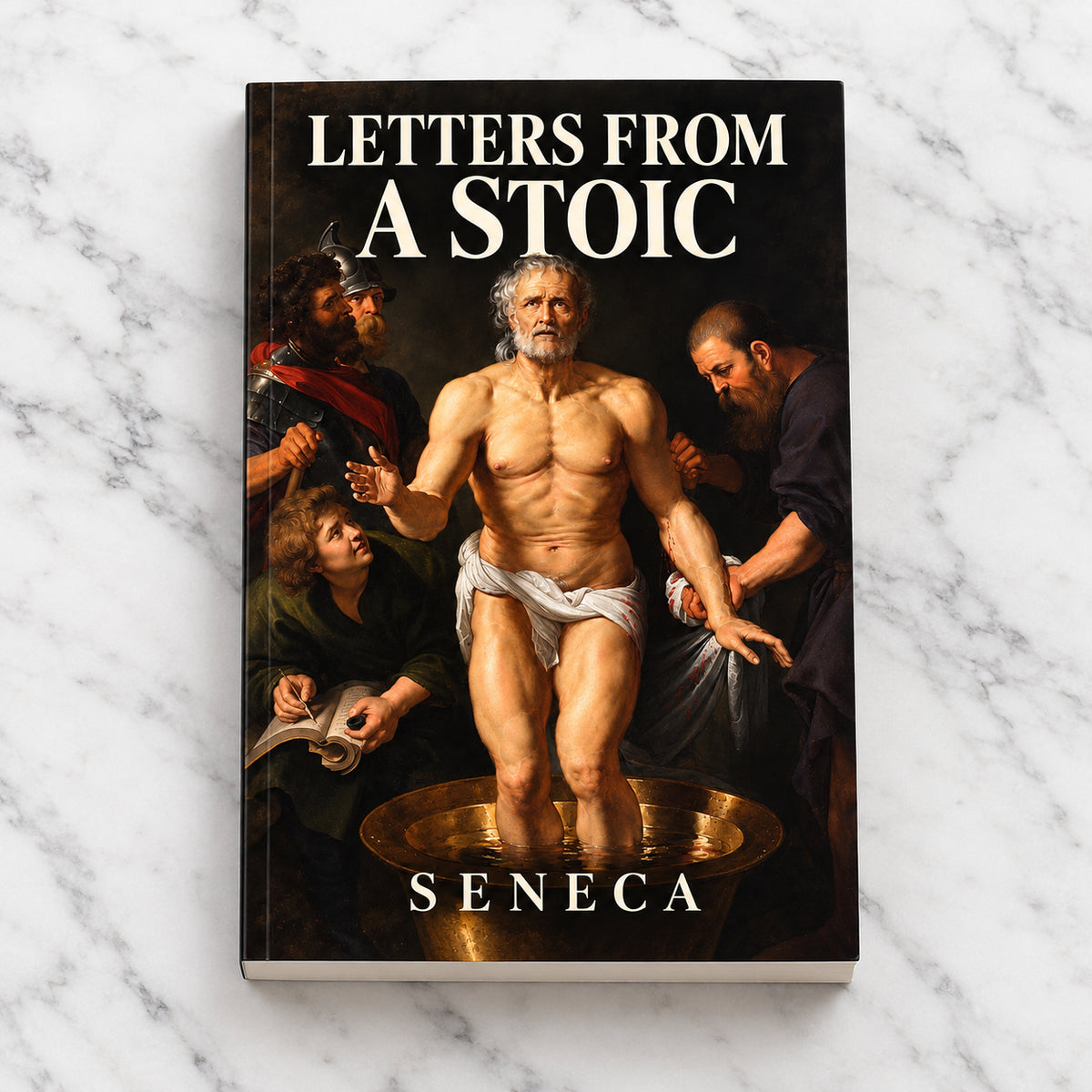




Letters from a Stoic by Seneca


Choose options
About this book
Written during the final years of his life, around AD 62–65, Letters from a Stoic draws on Seneca’s collection of moral letters addressed to Lucilius, a Roman official and friend. Known in Latin as Epistulae Morales ad Lucilium, the surviving collection contains 124 letters arranged in 20 books. The letters combine philosophical instruction with personal reflection, using ordinary experiences and familiar situations to examine some of life's most enduring questions.
Seneca considers what it means to live well, arguing that a good life depends less on wealth, status or external circumstances than on the development of character and sound judgement. He explores the distinction between what lies within our control and what must be accepted, encouraging readers to cultivate self-discipline, reason and independence of mind.
The letters address a wide range of subjects, including friendship, poverty, wealth, illness, old age, grief, anger, fear and death. Seneca also reflects on the value of time, the dangers of excessive ambition and the importance of choosing one's influences carefully. His discussions of slavery, social inequality and the treatment of others reveal a concern with human dignity that sits alongside his philosophical teachings.
Rather than presenting Stoicism as an abstract system, Seneca applies its principles to the practical difficulties of daily life. His writing moves between advice, argument, personal observation and memorable examples, making the letters both philosophical discussions and an ongoing conversation about how to become a better person.
Letters from a Stoic remains an important work of Roman philosophy and one of the most accessible introductions to the ethical ideas of Stoicism.
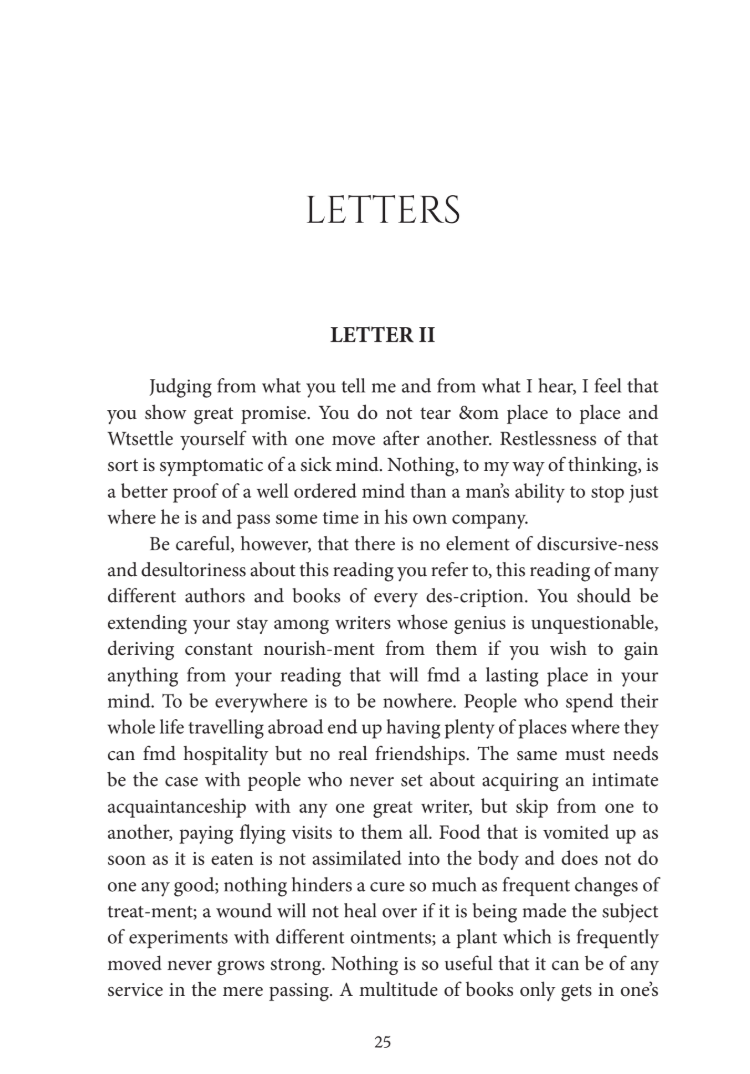
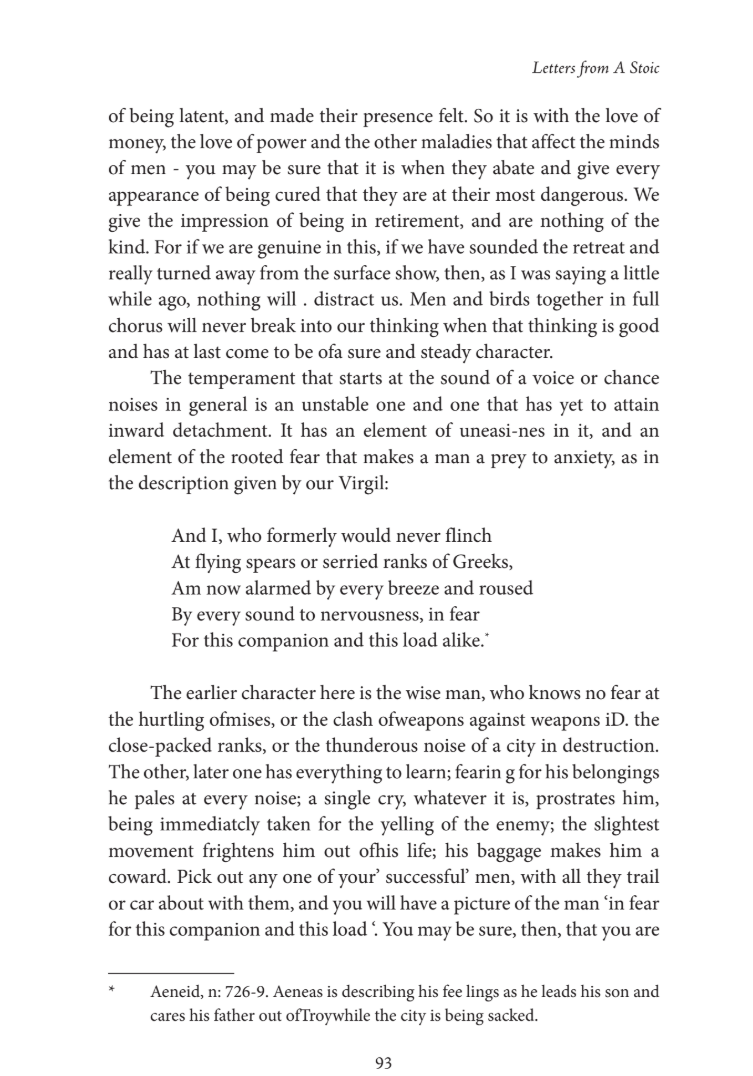
Inside the book
Letters from a Stoic by Seneca
Product Details
We ship worldwide, with print locations in the UK, USA and Canada. Our Box Sets are produced exclusively in the UK. All orders are sent fully tracked and insured. From the date your order is placed, please allow the following estimated delivery times:
UK: 10–21 working days
USA: 10–21 working days
Europe: 10–21 working days
Rest of World: 10–21 working days
Our books are printed to order, so we are unable to accept returns for change of mind except where required by applicable law. If your order arrives damaged, faulty or incorrect, please contact us and we will arrange a replacement or appropriate resolution. This does not affect your statutory rights. Please see our full Returns & Refunds Policy for further information.




First to Discover What’s Next
New collections, newly restored books, exclusive digital releases and occasional subscriber-only offers, sent directly to your inbox.