
The Gospel of Mary Magdalene
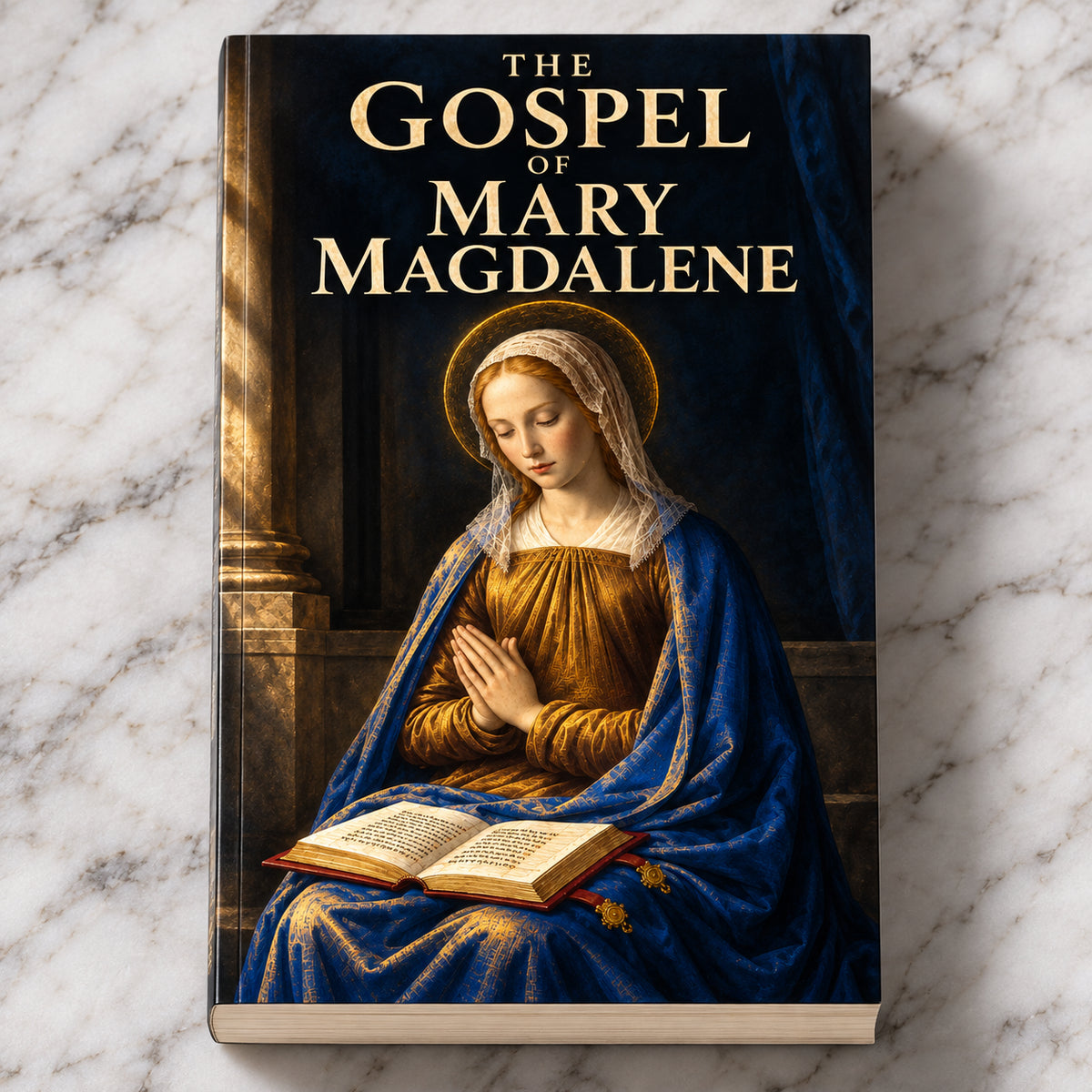



The Gospel of Mary Magdalene


Choose options
About this book
The Gospel of Mary is an early Christian writing traditionally associated with Mary Magdalene. Unlike the canonical Gospels, which recount the life, ministry, death and resurrection of Jesus, this text focuses on private revelation, spiritual understanding and the authority of those who receive and interpret divine teaching.
The surviving narrative begins after the resurrection, with the Saviour addressing the disciples and offering instruction concerning the nature of matter and sin. After his departure, the disciples become distressed and uncertain about their mission. Mary comforts them, encouraging them to overcome their fear and continue spreading the teachings they have received.
At Peter’s request, Mary then recounts a vision and the revelations she says were given to her. Her account describes the soul’s passage beyond opposing spiritual powers, including Darkness, Desire, Ignorance and Wrath. The journey presents spiritual liberation as a movement beyond the forces that bind the soul to the material world.
Mary’s account leads to a disagreement among the disciples. Andrew questions the teaching, while Peter challenges the idea that the Saviour would have revealed such knowledge privately to a woman. Levi comes to Mary’s defence, arguing that the Saviour knew her well and that the disciples should not judge her. The surviving narrative concludes with the disciples preparing to go out and preach.
The dispute over Mary’s authority is one of the text’s central themes. It raises questions about who may receive revelation, who has the right to teach and how spiritual authority was understood within early Christian communities. Mary appears not simply as a follower, but as someone whose understanding and experience challenge the assumptions of other disciples.
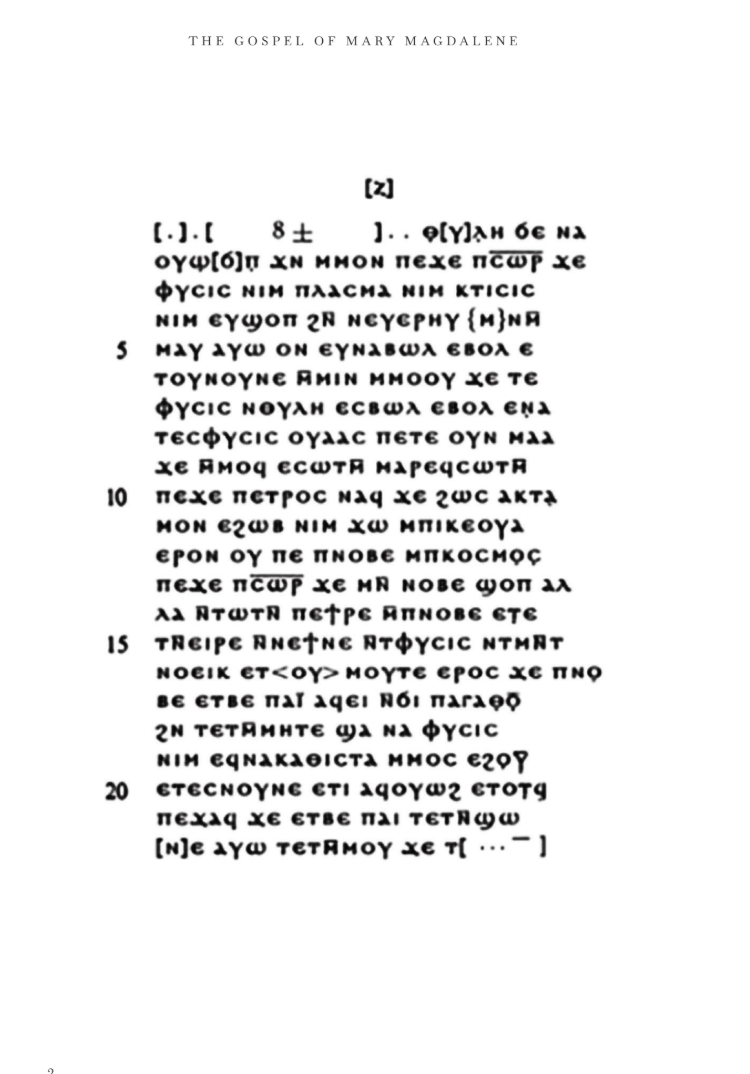
The work survives in an incomplete form. The principal Coptic manuscript is missing its opening six pages and four pages from the middle, leaving significant gaps in the narrative. Two smaller Greek fragments preserve additional portions of the text and demonstrate that it circulated in Greek before the surviving Coptic manuscript was produced. Scholars generally place its composition in the second century, although its precise date and origins remain uncertain.
The Gospel of Mary offers an important perspective on the diversity of early Christian thought, particularly debates surrounding revelation, discipleship and women's participation in religious leadership.
Inside the book
The Gospel of Mary Magdalene
Product Details
We ship worldwide, with print locations in the UK, USA and Canada. Our Box Sets are produced exclusively in the UK. All orders are sent fully tracked and insured. From the date your order is placed, please allow the following estimated delivery times:
UK: 10–21 working days
USA: 10–21 working days
Europe: 10–21 working days
Rest of World: 10–21 working days
Our books are printed to order, so we are unable to accept returns for change of mind except where required by applicable law. If your order arrives damaged, faulty or incorrect, please contact us and we will arrange a replacement or appropriate resolution. This does not affect your statutory rights. Please see our full Returns & Refunds Policy for further information.



First to Discover What’s Next
New collections, newly restored books, exclusive digital releases and occasional subscriber-only offers, sent directly to your inbox.